Security Shutters for Home Windows and Doors
Start with the window you want to cover and the person who will close it. That gives you a better starting point than choosing from a wide-opening product photo.
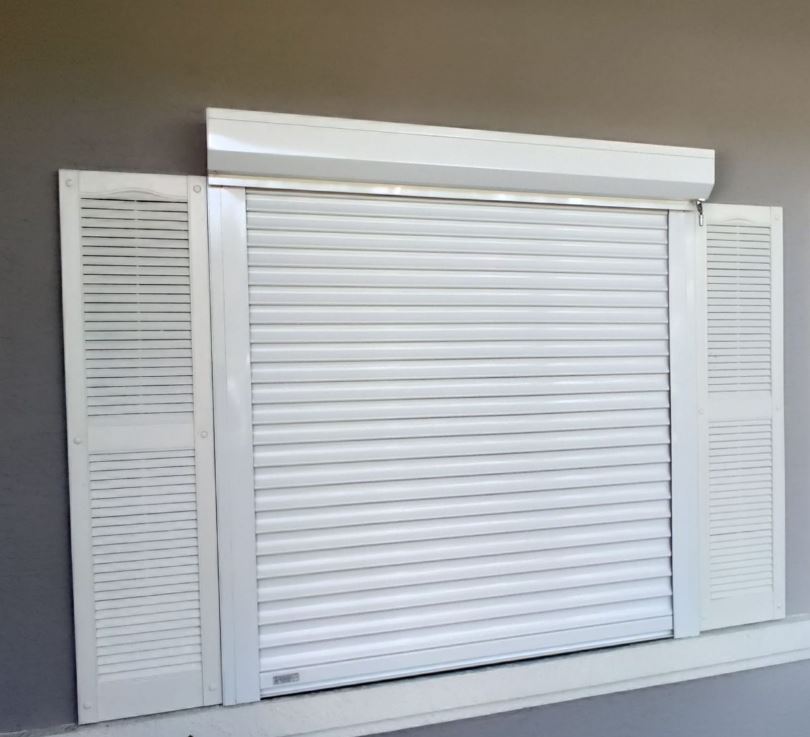
A ground-floor window you want to close each evening presents a different problem from a patio door the family uses throughout the day. Plan those openings separately. A convenient closing routine matters, and so does keeping required escape and exit access usable.
The short answer
Rolling and accordion shutters can add a physical barrier over suitable exterior home windows and doors. Rolling shutters store overhead; accordion shutters stack beside the opening. Suitability depends on the exact system, opening, locks and attachment. Have the office and your installer review each opening before ordering.
Explore Home Security Shutters and get a custom quote or call 1-888-474-3555.
Work through one home window first
Consider a fictional home with a street-facing study window, W1, and a rear door, D1. The owner wants to cover W1 at night but still uses D1 to reach the yard. Treating both as one shutter project would hide the most important difference: one covers glass, while the other affects a route people use.
For W1, photograph the full window and the wall above and beside it. Include the sill, decorative shutters, lamps and trim. Note where the operator would stand and how the shutter would be opened the next morning. For D1, first ask the installer to review door travel, required exit access and the proposed locking arrangement.
Put those notes beside the opening measurements. The office can then discuss a configuration for each opening instead of guessing from a close-up of the glass.
Compare where the shutter goes when it is open
A rolling shutter raises into a housing above the window or door and travels between side guides. Check the available headroom and side space, and ask where the housing will sit relative to trim. Use the open and closed window photos to see the parts you need to discuss.
An accordion shutter folds into stacks beside the opening. It operates manually and remains mounted when open. Side clearance and access to the locking hardware can decide whether that arrangement suits everyday use.
For W1, overhead storage might suit the wall better than side stacks. That is a layout preference for the quote discussion, not a conclusion that the wall can carry the attachment. The installer still needs to review the actual construction.
A wide view is not automatically one shutter
A bank of windows can look like one opening in a photograph even when there are separate structural divisions. Send a full view and label the individual openings. Do not assume a shutter can span the entire width, or that a decorative divider is suitable for attaching a guide.
There is no single maximum width that applies to every rolling shutter. The manufacturer drawings contain span schedules for particular slats, rails and configurations. Where hurricane protection is required, design pressure and the permitted attachment also matter. Ask the office to identify the proposed system and have the appropriate project professional check its documents.
If an opening is outside the proposed configuration, pause the selection. Ask what documented alternative is available. Do not improvise a center support, join two curtains or enlarge a quoted size from an article illustration. The product drawings page is a starting point for that review.
Choose the closing routine as carefully as the finish
For W1, write down who closes the shutter, how they reach the control or lock, and who opens it again. If that person is away, decide whether someone else can operate it safely. For a selected motorized model, ask for its documented power-loss procedure; a manual override, battery or remote access is not automatically included.
Discuss required escape and exit openings before choosing a shutter for bedrooms or doors. Do not put a closed or locked barrier across a required route based on a general guide. Have the installer and the relevant building or fire authority resolve the arrangement.
Hurricane testing and burglary-resistance testing answer different questions. Ask for documentation if a particular security rating is required. A closed shutter is one part of a property-security plan and does not guarantee protection against intrusion.
Send a quote request the office can use
For the fictional study window, the useful note is: “W1, street-facing study window. We want nightly closure. Photos show the full wall, sill and side trim. Please review rolling housing and rail clearance, the locking arrangement and operation during a power outage. D1 is a separate door requiring an access review.”
Add the requested width and height, your delivery destination and whether you also need hurricane protection. Keep preliminary measurements separate from final manufacturing dimensions. Use the measurement guide before entering a custom quote.
Price rolling shutters for your openings or call 1-888-474-3555. Hurricane Shutters Florida builds and ships the products; you arrange installation. The office reviews final dimensions, options and freight before you approve the final total and payment. For a business property, use the storefront security planning guide.
For an after-hours business routine, use the storefront security planning guide.